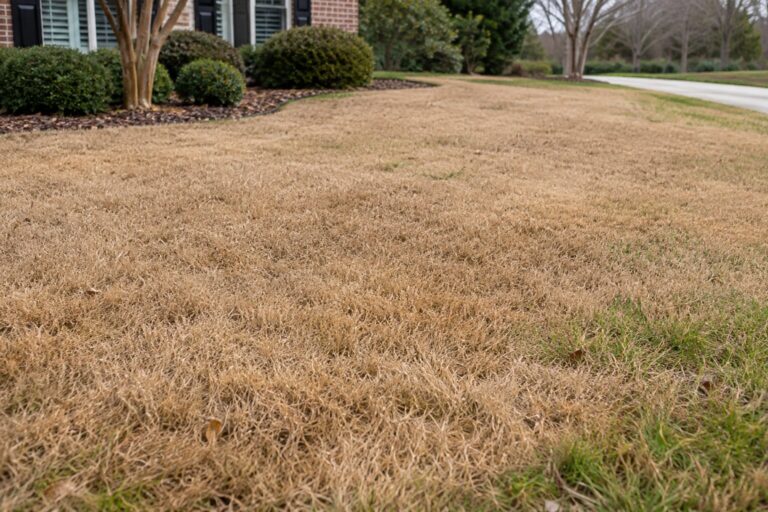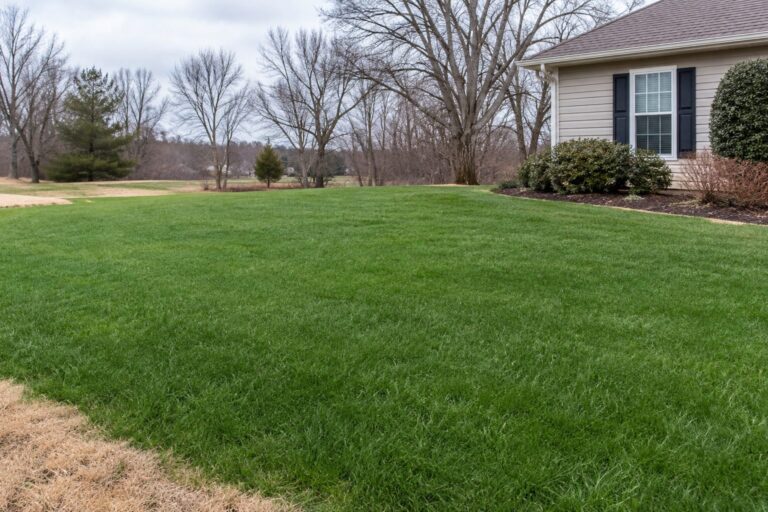


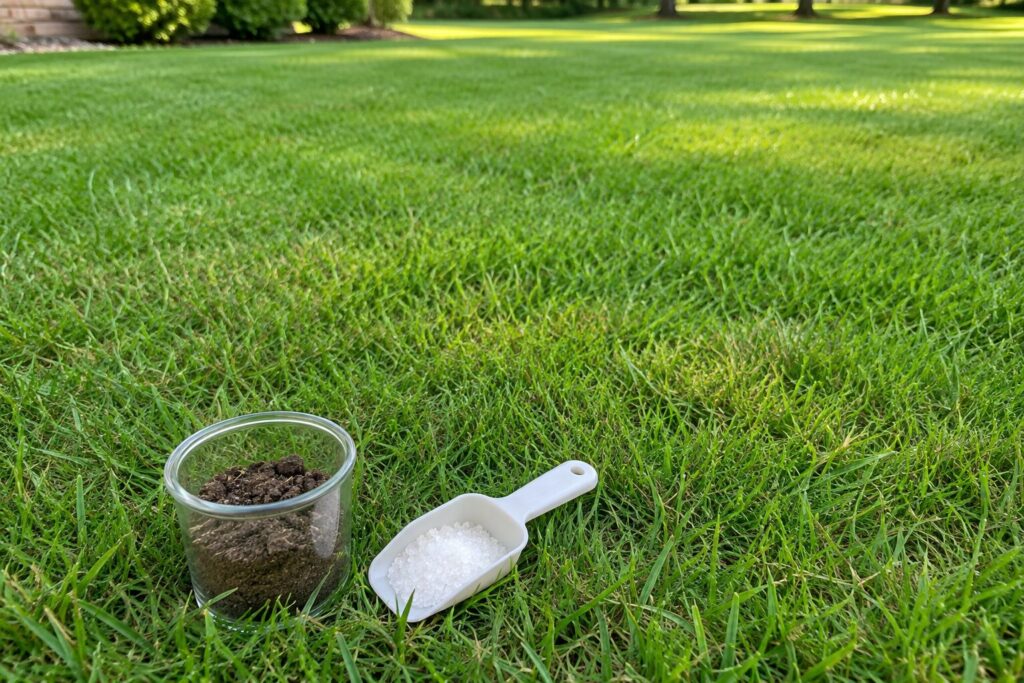
Epsom salt is often suggested as a quick way to make grass greener. The useful question is whether your Bermuda needs magnesium—not whether a household remedy produced a greener photograph somewhere else.
Epsom salt can supply magnesium, but it is not a general-purpose green-up treatment for Bermuda. Consider it only when a qualified diagnosis supports a magnesium need. Extra magnesium may offer no benefit and excessive use can cause salt injury or nutrient imbalance. Cosmetic turf color is a different objective.
What is Epsom salt, and what does it supply?
Epsom salt is magnesium sulfate. It supplies magnesium and sulfur; it is not a complete lawn fertilizer and does not provide the nitrogen, phosphorus and potassium in a typical N-P-K program.
Washington State University — Epsom salt
Why does magnesium matter to Bermuda grass?
Magnesium is part of chlorophyll and supports other plant functions. A genuine deficiency can affect natural green color. That explains why correcting a deficiency can help; it does not establish a benefit from unnecessary additions.
UF/IFAS — Magnesium for Florida turfgrasses
Does yellow Bermuda prove that magnesium is missing?
No. Color alone cannot identify the cause. Review growth, roots, moisture, shade, recent treatments and symptom patterns before deciding that a magnesium application is justified.
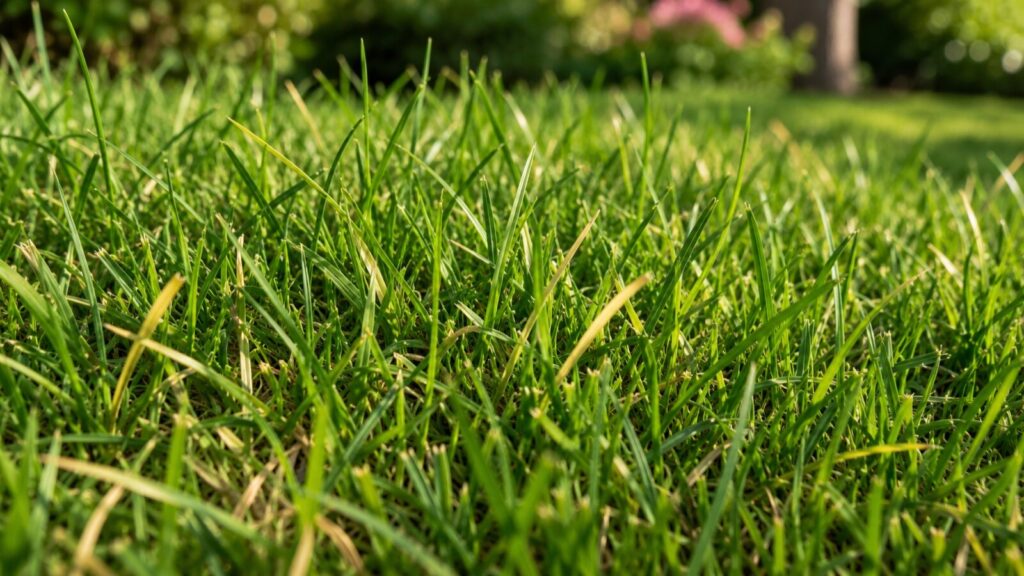
Will Epsom salt help a lawn that already has enough magnesium?
There is no sound reason to expect extra magnesium to improve an adequately supplied lawn simply because it is added. UF/IFAS reports that genuine turf responses to magnesium in Florida are uncommon.
UF/IFAS — Magnesium for Florida turfgrasses
Can a soil test tell me exactly how much to use?
Not by itself in every situation. UF/IFAS identifies limitations in Florida turf magnesium-response calibration. Test method, region, symptoms and expert interpretation matter; a low number does not automatically establish a whole-lawn prescription.
UF/IFAS — Magnesium for Florida turfgrasses
Would tissue testing help confirm a magnesium problem?
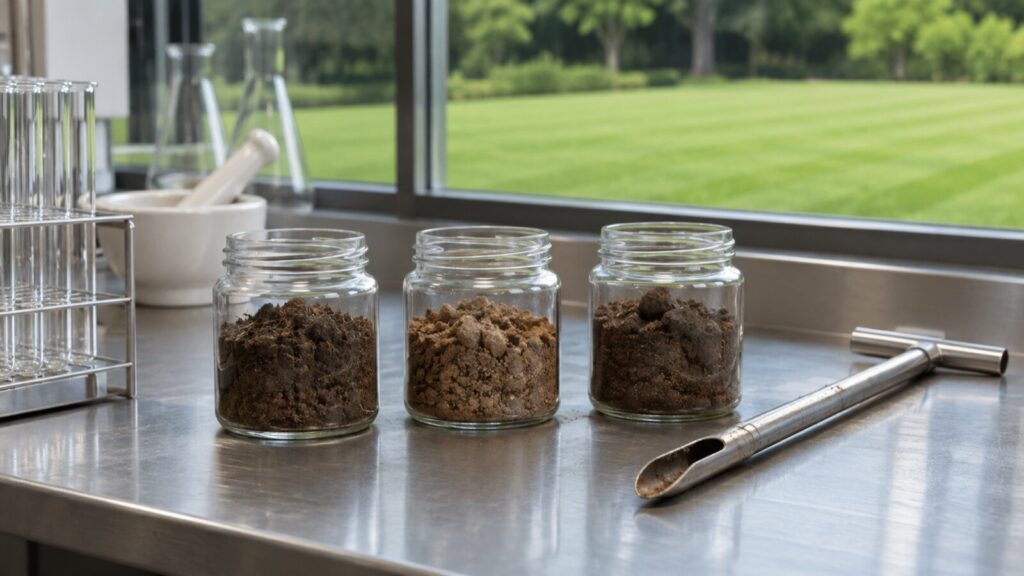
It may help assess the plant’s nutritional status alongside symptoms and soil information. Ask the laboratory for its sampling instructions. Recent sprays, fertilizer contamination or unsuitable samples can complicate interpretation.
Is there a universal Epsom salt recipe for Bermuda lawns?
No. Do not borrow a spoon-per-gallon garden recipe for an entire lawn. The diagnosed need, material, application method and site determine an appropriate recommendation. This article intentionally provides no blanket dose.
Can too much Epsom salt damage grass?
Yes. Excess magnesium sulfate can increase salt stress and interfere with nutrient balance. Avoid repeated “just in case” applications. If damage is suspected, stop adding it and obtain site-specific advice.
Washington State University — Epsom salt
Does Epsom salt replace nitrogen fertilizer or iron?
No. Magnesium, nitrogen and iron have different roles. Do not treat them as interchangeable color products. A visible improvement from one treatment is not a diagnosis of every other pale area.
Will Epsom salt fix soil pH?
It is not a substitute for a properly selected pH amendment. Magnesium sulfate is different from elemental sulfur and from dolomitic lime. Choose pH corrections from an appropriate diagnosis, not a household recipe.
Washington State University — Epsom salt
Is a preferred calcium-to-magnesium ratio enough reason to add it?
Be cautious. Nebraska and UF/IFAS guidance question ratio-based recommendations as a sole basis for treatment. Evaluate the test method, plant symptoms and actual response evidence before adding magnesium to chase a ratio.
University of Nebraska–Lincoln — Soil testing turf · UF/IFAS — Magnesium for Florida turfgrasses
Where does Endurant fit if my real goal is greener appearance?
Endurant is a turf-color option, not a magnesium treatment. For suitable Bermuda, discuss Premium (P+) or darker Fairway with an applicator. Continue any needed plant care separately. The linked Premium five-US-gallon (approximately 18.9-liter) label identifies that package for professional use.
Geoponics — Turf paints and pigments · Endurant Premium — Product label

Blade McGreen’s Tip of the Day
Magnesium is a nutrient, not a universal shortcut to green grass. Confirm the need before applying it, and separate plant nutrition from cosmetic color.
More Epsom salt and magnesium questions
Will Epsom salt wake up dormant Bermuda?
It does not replace the growing conditions needed for recovery from cold-weather dormancy. Do not assume seasonal browning means a magnesium deficiency.
Does “natural” mean it is harmless at any rate?
No. A naturally occurring material can still be inappropriate or excessive. Match any application to a documented purpose and suitable directions rather than relying on the word “natural.”
Is bath-product Epsom salt automatically suitable for my lawn?
No. Check the complete product composition; bath products may contain fragrances or other additives. Use only a material and application specifically recommended for the turf need you have identified.
Can I mix Epsom salt into Endurant?
Do not assume compatibility. Follow the exact colorant label and obtain guidance for the proposed combination. This article does not authorize adding Epsom salt to an Endurant spray tank.
Will Epsom salt thicken bare or damaged areas?
It cannot create missing grass. If a deficiency is genuinely limiting growth, correction may help that limitation, but establishment, repair and other causes of poor density require their own plan.
What information should I gather before asking for help?
Record the product, amount, dates, watering and recent treatments. Include overall and close-up photographs, soil or tissue reports, and where symptoms occur. Provide observations rather than assuming the diagnosis.
How do I judge whether a recommended correction worked?
Agree on observable goals and a review interval with the adviser. Track growth, density and symptoms—not color alone. Where appropriate, a professionally planned treated-versus-untreated comparison helps avoid mistaking normal seasonal change for a treatment response.