

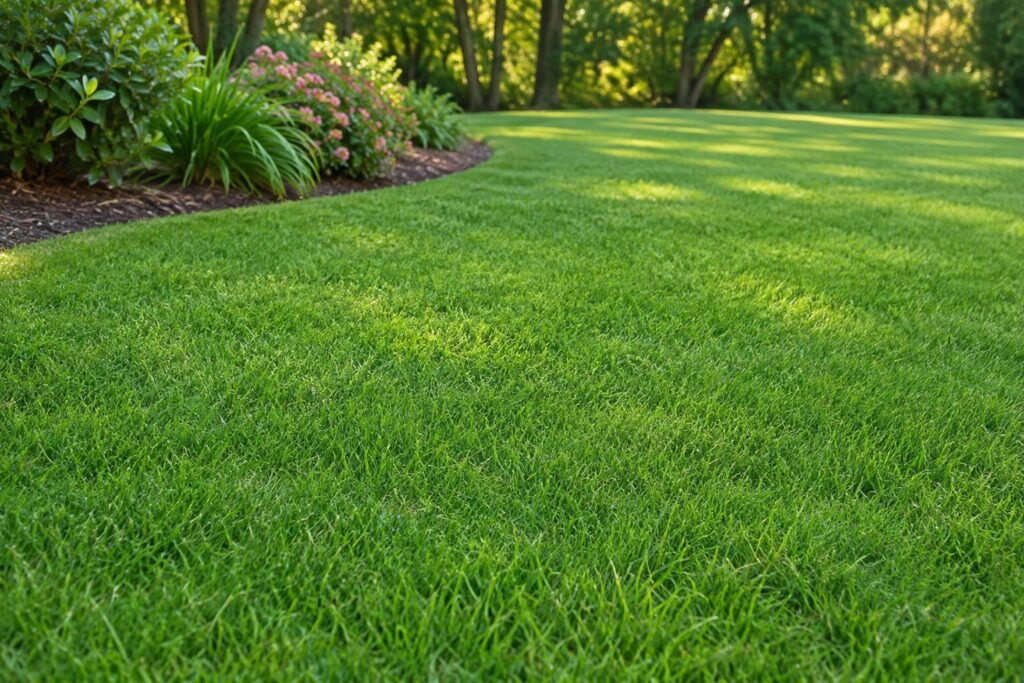
When Bermuda loses its color, the most useful first question is not what to spray. It is what changed. A lawn that fades after mowing needs a different investigation from one that stays thin in shade or develops expanding patches.
What Helps Bermuda Grass Turn Green?
Bermuda develops natural green color when growing conditions support healthy leaves: adequate warmth and sunlight, appropriate moisture, suitable nutrition and sound mowing practices. Identify the limiting factor before adding products. If the goal is cosmetic color on suitable turf, Endurant can improve appearance while the lawn’s underlying care continues.
Why is my Bermuda grass not as green as I expect?
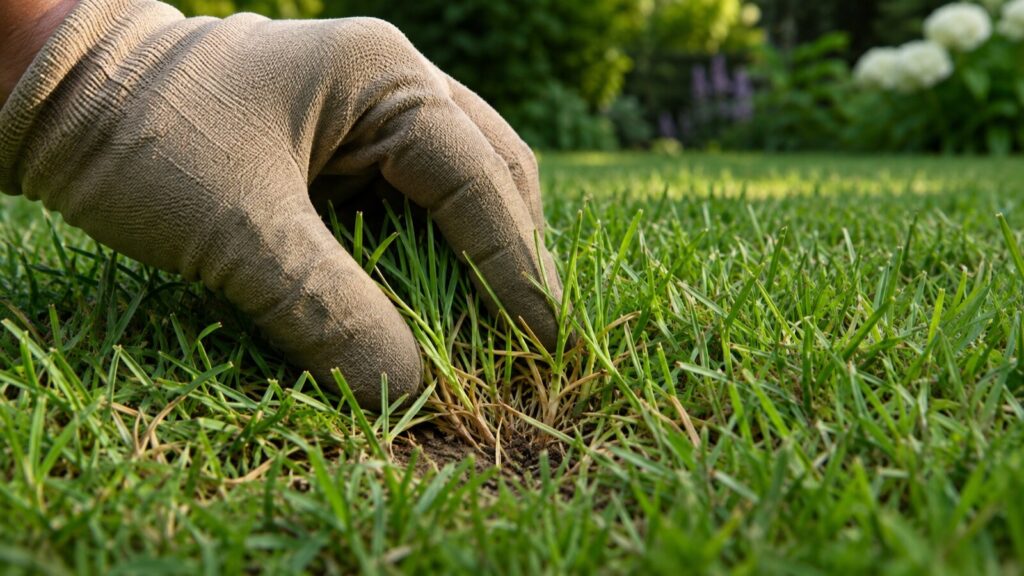
Start with a simple record: when the color changed, whether the whole lawn changed together, and what happened just beforehand. Note mowing, irrigation changes, recent treatments and unusual weather. Compare the affected area with nearby healthy turf. These observations help a professional distinguish a maintenance issue from a problem that needs closer examination.
Why is Bermuda slow to green up in spring?
Spring green-up follows local growing conditions, not one national calendar date. Clemson Extension notes that late frost can set back newly greening Bermuda. Check the local forecast and the lawn’s actual growth before trying to force a faster response. Persistent areas that fail to recover deserve inspection rather than repeated applications chosen only for color.
Clemson Extension — Bermuda maintenance
Can shade prevent Bermuda from turning green?
Bermuda performs poorly in substantial shade. If thin or weak turf follows a building’s shadow or tree canopy, assess sunlight before buying another lawn product. Observe that area at several times of day. Where the site cannot provide suitable light, discuss planting or landscape changes with a local professional. A darker surface color does not solve a light shortage.
Texas A&M AgriLife — Bermuda lawn management
Will more water make Bermuda greener?
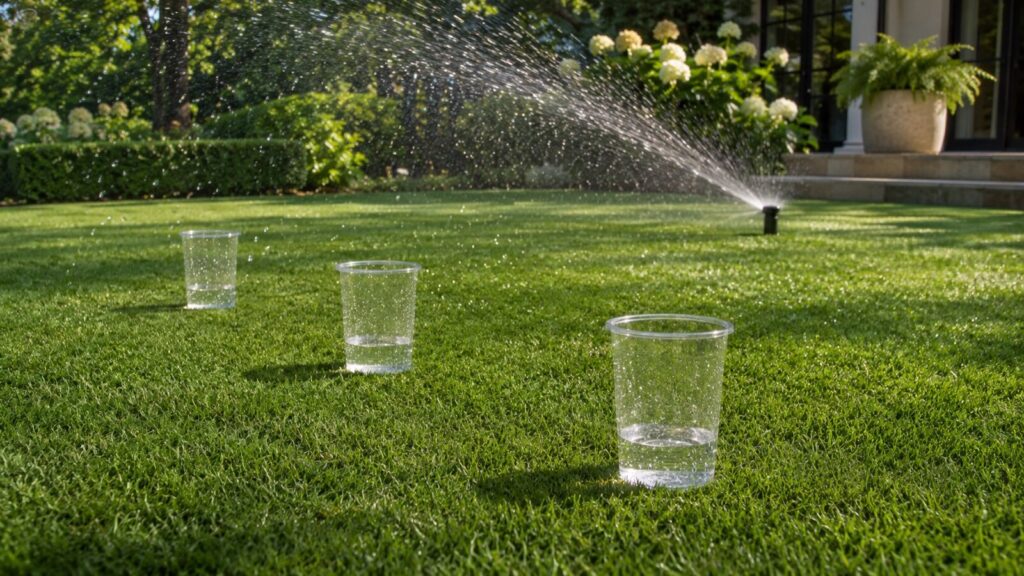
Only if insufficient moisture is the relevant problem. Check soil moisture and irrigation coverage instead of increasing the entire system’s run time by default. An irrigation audit can reveal areas that receive different amounts of water. For a basic comparison, place matching straight-sided containers across the zone and compare collected depths after the same run. A difference of 0.1 inch is about 2.5 millimeters; this is a measurement example, not a watering prescription.
Texas A&M AgriLife — Bermuda lawn management
Why does Bermuda look brown immediately after mowing?
Cutting away too much green leaf tissue can expose a browner canopy. Review mowing height, frequency and blade condition before assuming the lawn needs fertilizer. Texas A&M recommends avoiding removal of more than one-third of the leaf tissue in a single mowing. Choose a height suited to the cultivar, equipment and local guidance rather than copying a golf-green setting.
Texas A&M AgriLife — Bermuda lawn management
Does yellow Bermuda always need nitrogen or iron?
No. Leaf color alone does not identify the missing nutrient—or establish that nutrition is the problem. Clemson describes situations in which high soil pH and nutrient availability contribute to yellowing. Ask for locally appropriate soil testing and interpretation. Use the results alongside the lawn’s history; do not stack fertilizer and micronutrient products simply because the first treatment did not produce the desired shade.
Clemson Extension — Bermuda maintenance
When should I ask for a turf diagnosis?
Ask for help when patches expand, the canopy becomes thinner, symptoms persist despite sensible maintenance, or the cause is uncertain. Photograph the whole area and individual leaves, and record recent treatments before adding cosmetic color. Keep any sample collection consistent with the diagnostic service’s instructions. A short, accurate history is more useful than guessing from one close-up photograph.
Can Endurant make Bermuda look greener while I manage its condition?
Endurant turf colorants can change the canopy’s appearance, but they do not repair missing grass, replace nutrients or resolve the cause of decline. First establish a care plan. For residential Bermuda color, Endurant Premium (P+) is a relevant option to discuss with an applicator; Endurant Fairway offers a darker shade. Geoponics’ linked Premium five-US-gallon (approximately 18.9-liter) label identifies that package as intended for professionals. Confirm the appropriate package and current directions for the job.
NC State Extension — Turf colorants · Geoponics — Turf paints and pigments · Endurant Premium — Product label
What should I check before deciding my lawn needs treatment?
Use the same short checklist each time: Is the grass growing? Where is the discoloration? Did it appear after mowing or another change? Is irrigation even? Is the area shaded? Is the canopy intact or thinning? What do local test results or a diagnosis show? Save the answers so you can assess progress without relying only on a greener-looking photograph.

Blade McGreen’s Tip of the Day
Look for the pattern before choosing the product. Record the lawn’s condition before adding color so you can continue evaluating the turf underneath.
More questions about Bermuda color
Should every Bermuda variety be the same shade of green?
No. Bermuda varieties differ in their natural appearance. Compare your lawn with its own healthy condition rather than assuming a different lawn’s darker shade is the correct target.
Can I diagnose the problem from color alone?
No. Combine appearance with growth, distribution of symptoms, moisture, maintenance history and professional assessment when needed.
Does a greener appearance prove that Bermuda has recovered?
No. Color is only one observation. Continue monitoring new growth, canopy density and the original problem, especially after a colorant application.
How quickly should I expect Bermuda to improve?
There is no universal timetable. The cause, severity, growing conditions and chosen correction all matter. Agree on a review point with the person managing the lawn instead of assuming every problem has the same deadline.
Should I try several products at once?
Avoid undiagnosed combinations. Establish the likely cause and a clear plan, document what is applied, and follow each current label. This makes the result easier to assess.