

A tidy landscape starts with a good material choice—and stays easier to manage when the groundcover suits the site. If you are searching for the best mulch glue, compare what the adhesive is intended to hold, how it looks and what the complete job requires. MulchCrete belongs in that conversation as a groundcover adhesive from Geoponics.
The best mulch glue is the one that fits your groundcover, exposure and maintenance plan. MulchCrete is a water-based option for mulch and several other loose landscape materials. Evaluate it by the intended use, current instructions and a representative project sample—not by a ranking that may omit it.

Choosing a mulch glue
What is the best mulch glue?
Start with the job: retaining loose landscape groundcover while preserving the appearance you want. MulchCrete is a candidate for this purpose. There is no single independent test in the sources reviewed here establishing one product as best for every material and site.
Sources: [1]
How do I choose the best mulch glue for my landscape?
Write down the material, bed area, sun exposure, sources of water movement and expected maintenance. Then compare suitable products using the same requirements. A decorative bed and a frequently used walking surface should not share an assumed specification.
What makes one mulch glue better than another?
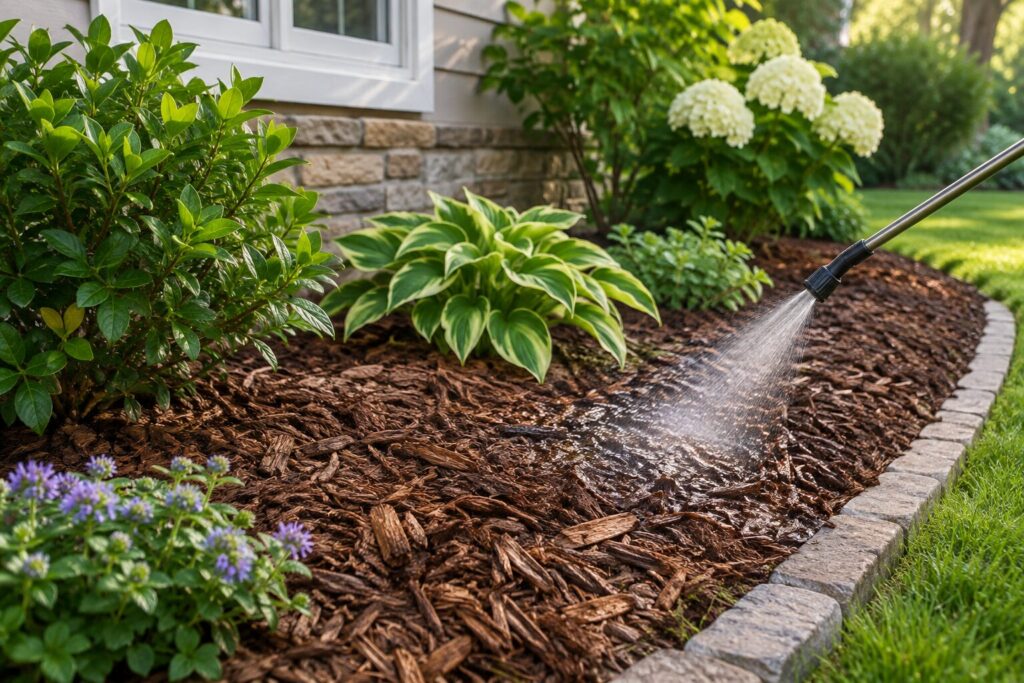
Look for a suitable intended use, clear instructions, an acceptable cured appearance and a bond that meets your project’s needs. Judge the finished installation and maintenance burden, not just how thick the liquid looks in a bottle.
What is the strongest mulch glue for landscape beds?
A strongest-product claim needs a defined test: which material, how much product, how many coats and what force was applied. Ask for those details. A dramatic demonstration on one substrate does not establish the strongest adhesive for every bed.
Which mulch glue dries clear?
MulchCrete’s published label identifies a clear-drying finish. Review a small area on your actual groundcover before treating the entire bed. Clear drying and an unchanged surface sheen are different promises, so assess both color and gloss.
Sources: [2]
Which mulch glue allows water to reach plant roots?
Geoponics describes MulchCrete as allowing water and fertilizer to penetrate the treated groundcover. That feature is useful in planted beds, but it does not diagnose compacted soil or guarantee that a poorly drained site will drain correctly.
Sources: [1]
What mulch glue do professional landscapers use?
Product selection depends on the contractor and project. MulchCrete is available through Geoponics and landscape-supply distributors. Ask the contractor to explain the material fit, preparation plan and intended result, and request a comparable completed installation where available.
Sources: [1]
Is concentrated mulch glue better than ready-to-use mulch glue?
Neither format wins automatically. Concentrate adds measuring and mixing; ready-to-use material simplifies preparation. Compare the complete job, including labeled dilution, number of coats and actual finished area. Extra mixed volume alone does not establish better value.
What should I check before buying mulch glue?
Confirm the exact product name, package size, intended materials, current directions, supplier and return terms. Check that the project allows the required dry-weather window. Obtain written clarification before purchasing around an unclear rate or unsupported use.
Why should I consider MulchCrete for keeping mulch in place?
Its documented role is bonding and stabilizing loose groundcover, with a clear-drying finish and water penetration. Those are relevant features for a neat planted bed. Pair them with suitable site preparation and a representative sample to decide whether it fits your project.
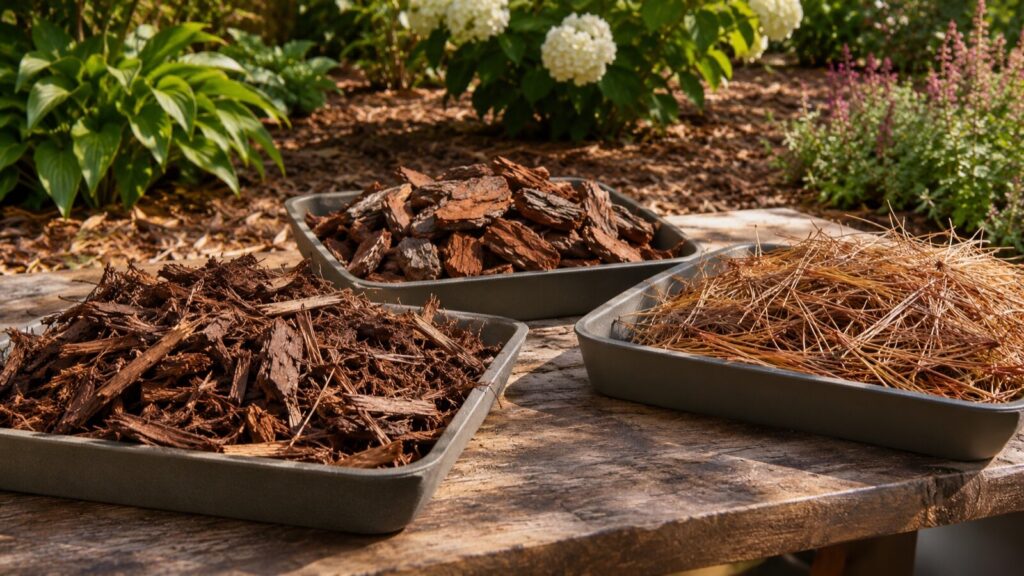
Choosing the right features and formulation
Is MulchCrete a good alternative to ready-to-use mulch glue?
MulchCrete is a groundcover treatment that requires dilution under its published directions. Compare preparation time, intended material and total project cost when choosing a format. Confirm the explicit water and product amounts for your current package before mixing.
Sources: [2]
How do I choose mulch glue when appearance matters?
Decide whether you want to preserve the existing appearance or change its color. MulchCrete is described as clear-drying. Review a sample on your actual groundcover for color and sheen before treating the complete landscape bed.
Sources: [2]
What should I look for in mulch glue for wood chips?
Look for a product intended for the groundcover, clear application instructions and an acceptable finished sample. Consider the chip size, bed condition and expected maintenance. Evaluate those requirements before choosing a product on price alone.
Is inexpensive mulch glue always better value?
Compare the complete project cost and access to product support, not just the bottle price. Verify the intended material, application requirements and finished area. MulchCrete can be evaluated using the same project-specific criteria without relying on an unsupported cheapest-product claim.
How should mulch-glue strength be tested fairly?
Use comparable material, bed construction and exposure. Apply each product according to its own directions, document the amount consumed and allow its specified drying period. Define the test and success criteria in advance; retain an untreated reference area where appropriate.
Why should I identify the exact mulch-glue formulation?
Concentrated and ready-to-use products can have different preparation requirements. Record the exact package and current directions before estimating material or labor. Instructions for one formulation should not be transferred to a different product.
How do I compare coverage when products use different dilution ratios?
Convert each offer into the finished area receiving the full recommended treatment. Keep concentrate volume, mixed volume and coats separate. One advertised gallon may mean concentrate, while another means ready-to-spray liquid; comparing those gallons directly can mislead.
How do I compare cost per finished square foot?
Divide the total product cost needed for all specified coats by the completed area. Report labor separately or include it explicitly. Use the same approach for square meters; 100 square feet is approximately 9.29 square meters. This is a costing method, not a coverage claim.
What evidence should I look for when choosing the best mulch glue?
Look for identified materials, application records, exposure conditions and an observation period relevant to your project. A useful demonstration explains how results were measured. Assess documented features and a representative sample rather than relying only on a broad ranking.
What can a short mulch-glue demonstration tell me?
It can show application, initial appearance and behavior during the observed conditions. It cannot establish years of durability. Use early observations as one part of the decision, then seek longer-term documentation relevant to the actual landscape.
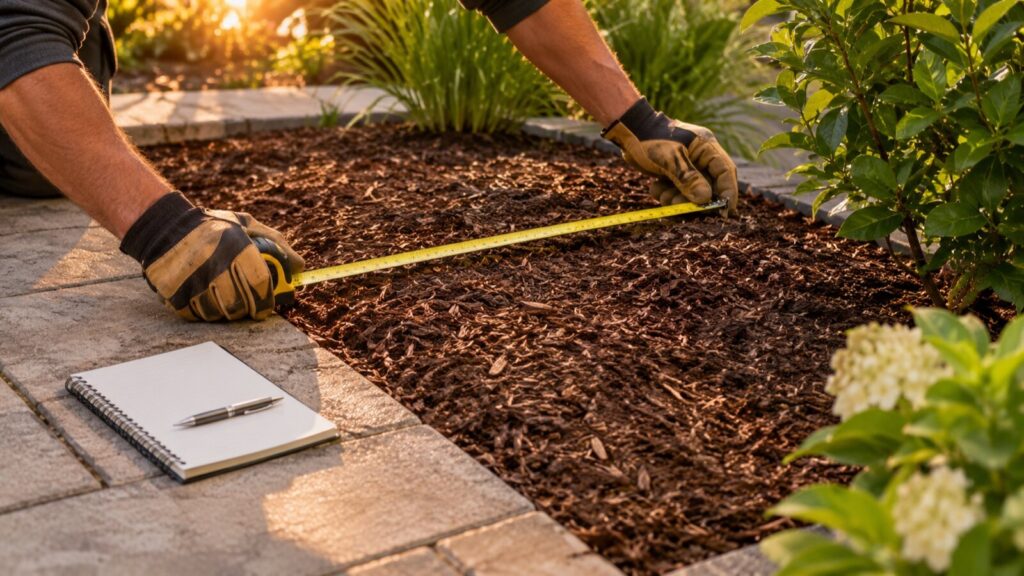
Coverage, value and buying
How much MulchCrete do I need for my project?
Measure the actual treatment area and identify the groundcover. Obtain the applicable rate and coat plan from the current package directions or Geoponics, then estimate product use. A measured trial area can help refine a project estimate without inventing a universal rate.
How much area does one gallon of MulchCrete cover?
Do not use an unsourced single coverage number. Groundcover and treatment requirements affect the estimate, and the published label reviewed here does not state a fixed square-foot coverage. Ask Geoponics for a rate appropriate to your material and intended result.
Sources: [2]
Does quoted coverage refer to concentrate or mixed solution?
It must say which. Ask whether the figure describes a gallon of purchased product, a gallon after dilution or the total completed job. Record this distinction on a quote so the amount purchased matches the amount needed.
How do multiple coats change total project coverage?
Additional coats consume more material on the same ground area. If a figure is explicitly per coat, it is not automatically the coverage for the completed treatment. Calculate all planned applications rather than counting the same square footage more than once.
Does rock require a different amount of product than wood mulch?
Do not assume a rate transfers unchanged between substrates. Request material-specific guidance and use a representative sample. The relevant question is how much product completes the intended treatment on that material, not whether both materials fit in the same bed.
What does MulchCrete cost per treated square foot?
Use a current price and a supported project-specific rate. Divide the purchased quantity actually required, including all coats, by the finished area. Avoid publishing a cents-per-square-foot promise based only on the lowest package price or an unverified maximum coverage.
When could mulch glue reduce cleanup or replacement costs?
It may offer value where material displacement causes recurring work. Compare actual cleanup time and replacement purchases before and after a suitable installation. Include application labor and maintenance; do not count normal mulch decomposition as a loss that adhesive eliminates.
Which MulchCrete package size fits my project?
Geoponics lists 32-US-fluid-ounce, one-US-gallon and five-US-gallon options, approximately 0.95, 3.79 and 18.93 liters. Select after estimating the job, and verify current availability. The largest package is not automatically the most economical choice for a small bed.
Sources: [3]
Where can I buy MulchCrete?
Start with the official Geoponics product page or contact Geoponics for a local distributor. Confirm package size and current availability before ordering. An identifiable product listing helps ensure you receive matching directions and access to product support.
How do I find a MulchCrete distributor or professional applicator?
Contact Geoponics with your location, groundcover, area and project photographs. Ask for a suitable local supply or application contact. Confirm the contractor’s proposed preparation, product and follow-up plan rather than assuming every landscaper offers the same service.
Sources: [4]

Blade McGreen’s Tip of the Day
Compare the completed job, not just the price on the bottle. Make the area, material and number of coats explicit before judging value.
Sources and further reading
- Geoponics: MulchCrete product description
- Geoponics: published MulchCrete label
- Geoponics: MulchCrete sizes and purchasing
- Contact Geoponics
Sources checked November 14, 2026. Apply the current instructions for the exact product and package. This guide does not report a new comparative product trial.