


Uneven winter color is not always a fertilizer problem. The right approach starts by distinguishing natural dormancy from turf stress, then deciding whether a cosmetic color program fits the course.
What causes uneven winter fairway color?
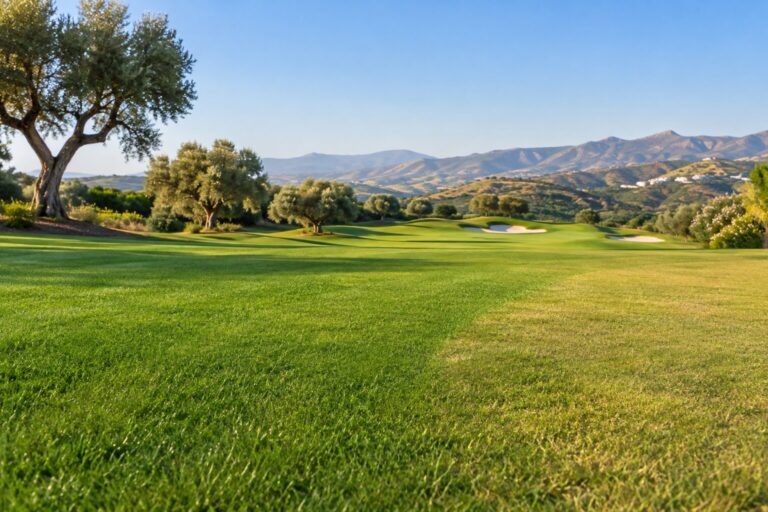
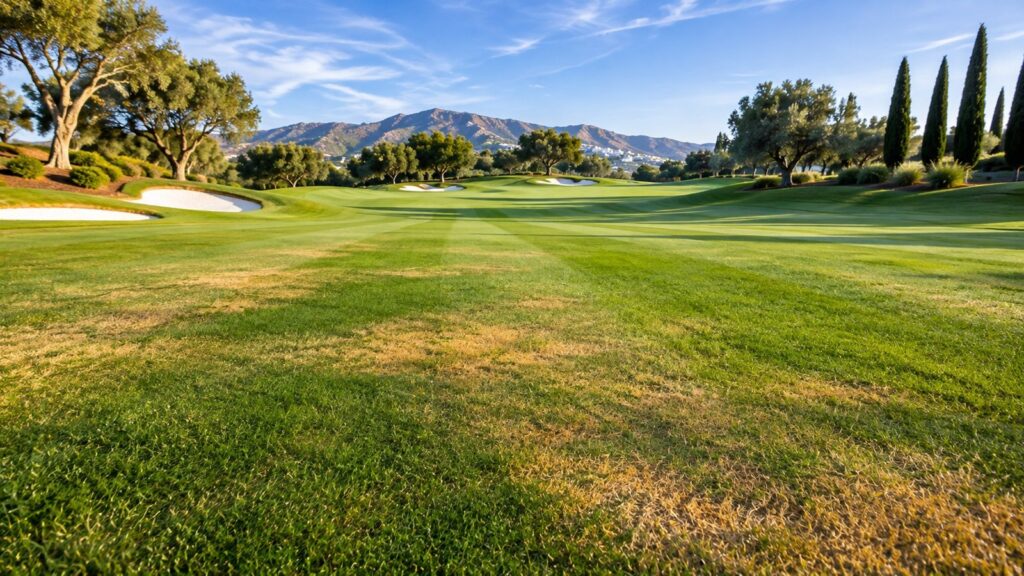
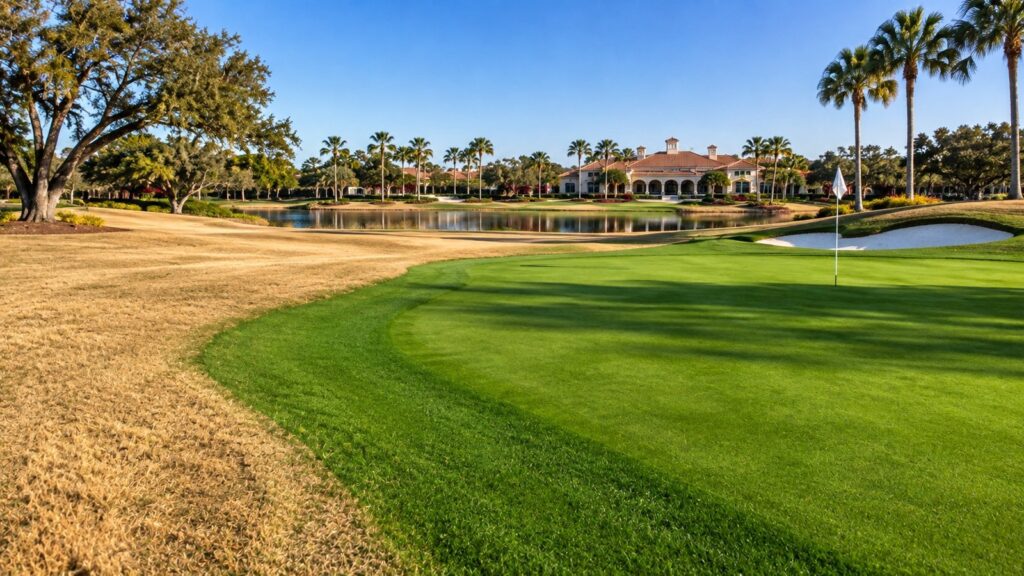
Warm-season turf can lose chlorophyll and slow growth as light and temperature decline. South-facing slopes, shade, wet pockets, cart traffic, different grass varieties, soil compaction and localized dry spots can produce a patchwork appearance. A brown area should not automatically be labeled dormant: inspect plant crowns, roots, drainage, irrigation coverage and any signs of pests or disease.
What should a superintendent check first?
Map the pattern. Compare sunny and shaded areas, irrigation zones, traffic corridors and drainage depressions. Check soil moisture with calibrated equipment and compare healthy and discolored turf. Review recent fertilizer, chemical and irrigation records. Correct underlying agronomic problems before deciding on appearance management.
Overseeding versus colorants: which is the better winter strategy?
Overseeding establishes a living cool-season playing surface but adds seed, establishment, irrigation, mowing and spring-transition considerations. Turf colorants can change the visual appearance of dormant or semi-dormant grass without growing a new stand of turf. They do not revive dead plants, repair disease or replace essential maintenance. The appropriate choice depends on budget, climate, course expectations and agronomic conditions.
Where do Endurant TE and FLEX fit?
Geoponics offers Endurant TE and Endurant FLEX for distinct professional turf-color programs. Selection should follow the current product label and the actual growth or dormancy condition of the grass. TE is generally positioned for actively growing turf; FLEX for hybrid or semi-dormant applications. Do not substitute a general internet dilution ratio for approved product instructions. Confirm application rate, carrier volume, equipment compatibility and any companion-product guidance with the current label and a small-area trial.
How can crews improve visual uniformity?
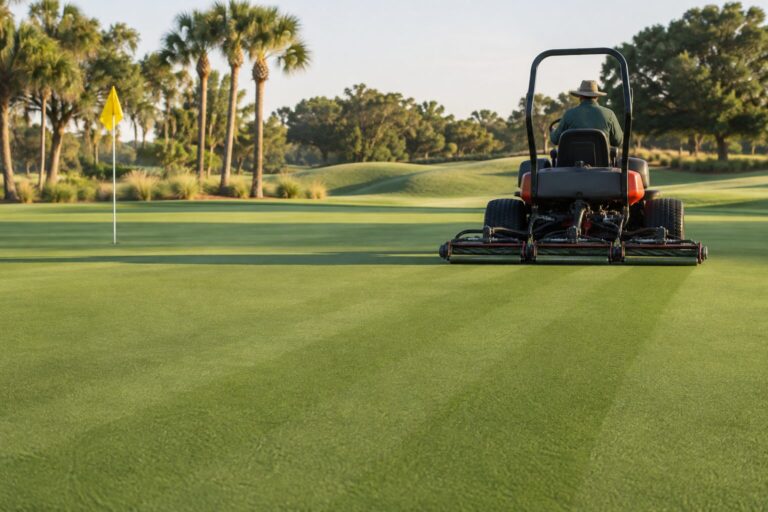
Start with a test area; calibrate the golf course; keep speed, pressure and overlap consistent; account for slope and wind; and evaluate results in both sun and shade. Follow label restrictions and prevent drift to bunkers, paths, water and other non-target surfaces. Record the date, turf condition, equipment and results so later decisions are evidence-based.
Frequently asked questions
Why do fairways become patchy in winter?
Warm-season grasses slow their growth as temperatures and daylight decline. Differences in shade, drainage, soil moisture, traffic and grass species can create uneven color.
Does brown turf always mean dead grass?
No. Dormant turf may remain viable, but disease, drought, compaction or injury can look similar. Check crowns and roots before deciding on a cosmetic treatment.
Can colorant replace irrigation or fertilizer?
No. Colorants change appearance; they do not correct poor soil conditions, nutrient deficiencies, disease or irrigation faults.
Should a golf course overseed or use a turf colorant?
Compare budget, playing-surface expectations, water availability, maintenance and transition requirements. Overseeding introduces living grass; colorants provide cosmetic color.
When should turf colorant be applied?
Only after assessing turf condition, weather, label directions and equipment calibration. Avoid application when drift or rain could interfere.
How do you avoid streaks?
Calibrate output and walking or driving speed, maintain consistent nozzle spacing and pressure, and test on a small area before full-course work.
Next step for golf-course teams
Document the cause of winter discoloration first. Then compare the cost and maintenance implications of overseeding, natural dormancy and a label-compliant turf-color program. For product information, visit Geoponics products and request the latest Endurant label and technical guidance before application.