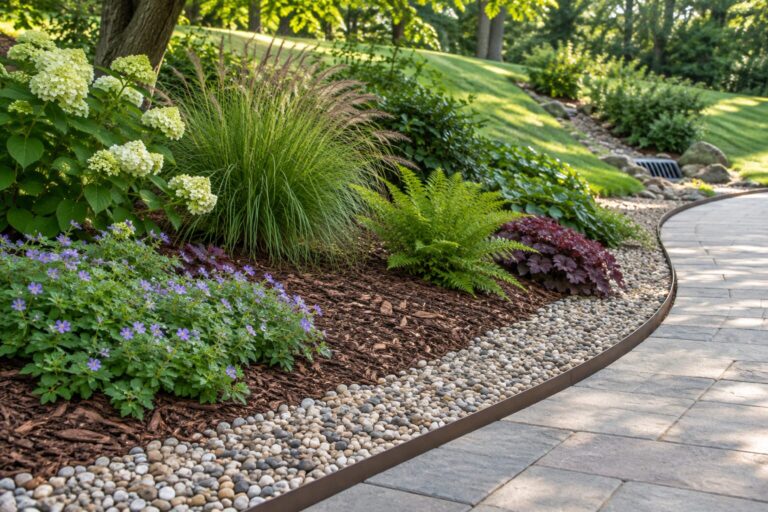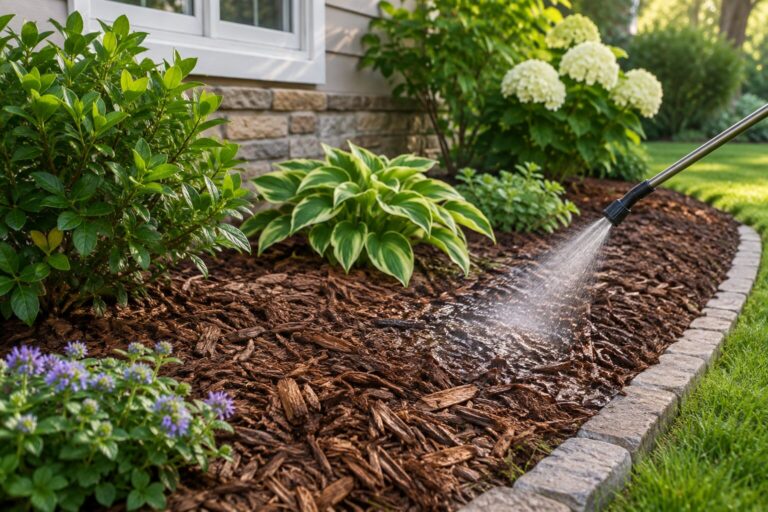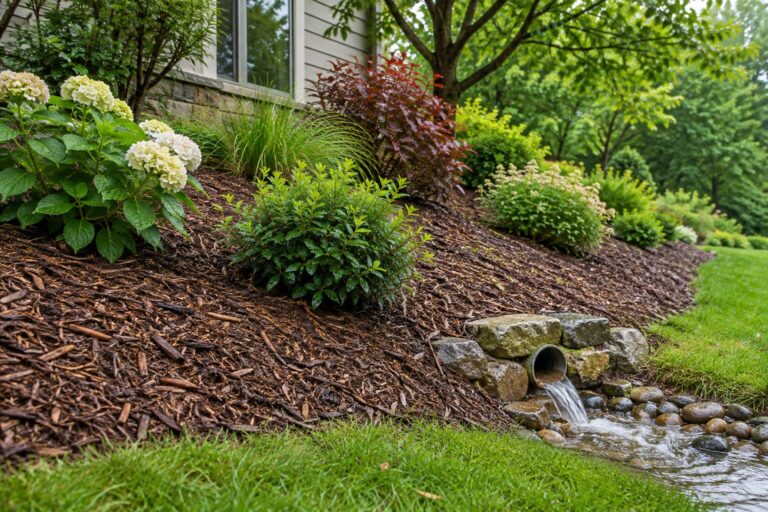


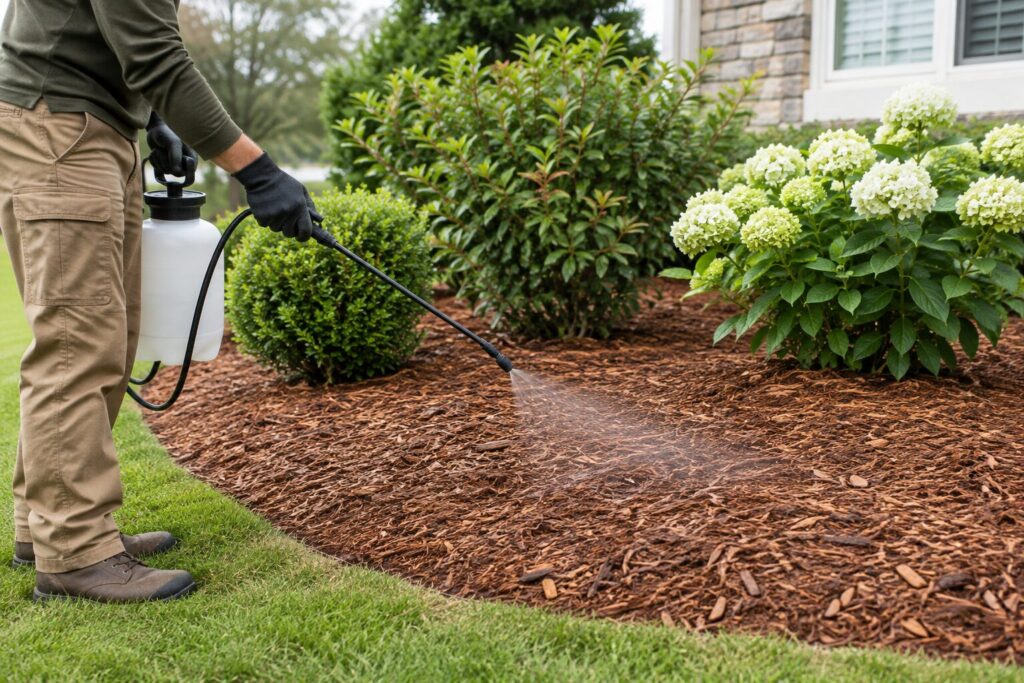
A consistent application starts before the sprayer is filled. Decide what you are treating, prepare the surface and protect the drying window. This guide keeps preparation, application and troubleshooting together so an attractive landscape does not depend on a guessed mixing ratio or an optimistic weather forecast.
Apply MulchCrete to a suitably prepared, dry surface using the current instructions for your package and project. Plan the weather window, coat the intended area evenly and clean equipment before residue dries. Where online directions are unclear, confirm the product-to-water amounts with Geoponics before mixing.

Preparation, mixing and equipment
How do you apply MulchCrete?
Prepare and dry the groundcover, confirm the mixing directions, apply evenly to the intended surface and allow the specified dry period. Plan equipment cleanup before starting. Use the package instructions as the working procedure rather than combining steps from different online guides.
Sources: [1]
What is the correct MulchCrete-to-water mixing ratio?
Confirm explicit amounts of water and product for your current package with Geoponics before mixing. Published instructions are not consistently worded about the order of the ratio. This guide therefore does not convert the ambiguous wording into a numeric batch recipe.
How do I measure a batch without reversing the mixing ratio?
Write the two ingredients separately: water volume and MulchCrete volume. Use the same units for both and a marked measuring container. Have the explicit recipe confirmed before scaling it to a larger tank; an unlabeled “2:1” is not enough information.
Can MulchCrete be applied undiluted?
The published label reviewed here says not to apply the product undiluted. Do not interpret more concentrated as automatically better. Obtain the correct dilution for your package and project rather than experimenting with full-strength material over the entire bed.
Sources: [1]
What sprayer should I use for MulchCrete?
Ask for a sprayer compatible with the product and suitable for the area. A supplier can help match tank, seals, wand and nozzle. Test the equipment as instructed before broad application; owning a garden sprayer does not establish compatibility with every liquid.
Which nozzle is appropriate for applying mulch glue?
Choose a nozzle that delivers the required even coverage with the approved mixture and equipment. Confirm the recommendation with the supplier. This guide does not assign a nozzle size or pressure without a product-specific equipment specification.
Should I rake or level the mulch before application?
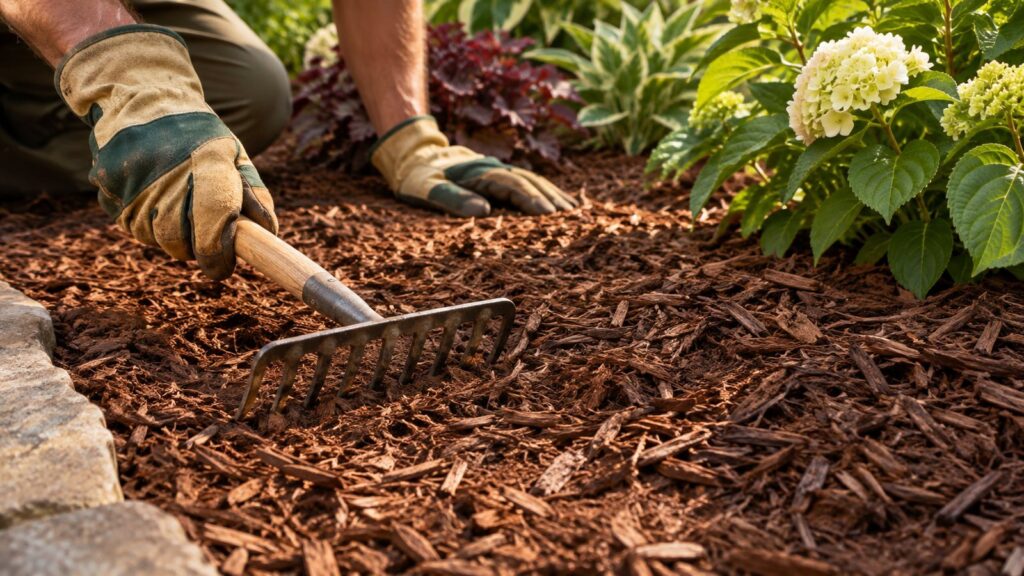
Establish the bed’s final arrangement before treatment. Address weeds, debris and unwanted piles, then leave an even surface appropriate to the planting. Mulch depth should reflect material and site needs; adding glue is not a reason to pile mulch against stems.
Sources: [4]
How many coats of MulchCrete are needed?
The label discusses additional treatment where stronger coverage is needed, including a second coat for troubled areas. Do not turn that into a universal coat count for every substrate. Confirm the plan and account for all coats when estimating the job.
Sources: [1]
How can I tell whether the surface has received enough product?
Aim for the even, thorough coverage described in the directions and compare with the approved trial area. Record the area and amount used. Do not judge solely by liquid color or assume flooding the bed is a substitute for uniform application.
Sources: [1]
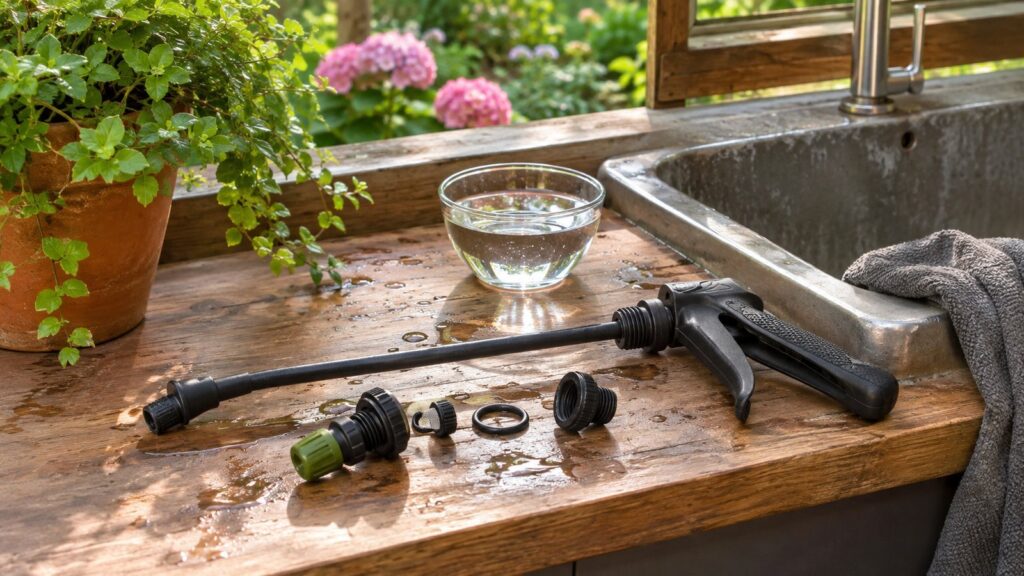
How do I clean the sprayer after using mulch glue?
Clean equipment before the product dries, following the label and equipment instructions. Plan a suitable contained cleanup area and handle rinsate appropriately. Do not leave the filled sprayer overnight and assume the remaining mixture will be equally usable next time.
Sources: [1]
Drying, weather and access
How long does MulchCrete take to dry?
The manufacturer-hosted label reviewed for this guide specifies 12 hours of complete drying. Apply the current instructions supplied with your package and confirm any revised directions with Geoponics. Do not substitute an older website’s shorter time without clarification.
Sources: [1]
What is the difference between surface drying and a usable bond?
A surface that looks less wet is not, by itself, proof that it is ready for irrigation or disturbance. Follow the specified waiting period and assess the treatment as directed. A visual color change should not be used as an improvised strength test.
How long must MulchCrete stay dry after application?
The reviewed label calls for a forecast without precipitation for at least 12 hours. Plan that entire window, including irrigation. Obtain current guidance for the product and conditions rather than relying on the first few sunny hours after spraying.
Sources: [1]
What happens if rain arrives before the glue dries?
Keep a record of when application ended and when rain began. Once the site can be assessed, photograph the result and ask Geoponics whether a correction is needed. Do not assume the treatment succeeded—or automatically apply more while the material is still wet.
Can mulch glue be applied to damp mulch?
MulchCrete’s reviewed directions require a dry area. Reschedule when the groundcover is damp instead of relying on dry air or a sunny forecast to make up for it. Inspect shaded and lower areas as well as the exposed top surface.
Sources: [1]
What temperature is required to apply MulchCrete?
The reviewed label specifies above 45°F, approximately 7°C. Consider the application period and subsequent conditions, and check the current package directions. The threshold is not a guarantee that every cool, humid site will be ready on the same schedule.
Sources: [1]
Can overnight dew affect mulch-glue application?
Dew introduces moisture during a period you intended to keep dry. Consider overnight conditions when choosing the application time. If the surface is wet the next morning, obtain guidance before treating appearance alone as evidence that the installation is ready.
Does shade or humidity change drying time?
Treat them as relevant site conditions when planning, not as reasons to promise an exact drying time beyond the directions. Describe the conditions to Geoponics if the result is uncertain. Avoid scheduling access solely from a sunny-area demonstration.
When can irrigation resume after application?
Arrange irrigation around the full required dry period and resume only as permitted by the current directions. Include automatic zones, overspray and hand watering in the plan. If plant water needs conflict with that window, choose a different application day.
When can people and pets return to a treated area?
Keep people and pets away during application and drying, and obtain the current product-specific access guidance. Drying is not proof of suitability for ingestion, digging or vigorous play. Ask about the actual use of the area rather than seeking a blanket safety promise.
Troubleshooting the application
Why did my mulch glue fail to hold?
Review the material, preparation, measured batch, application amount, weather and disturbance history. Photograph the result before adding anything. This information helps distinguish a mismatch or application issue from a product concern without blaming either one prematurely.
Why does treated mulch still feel loose underneath?
Surface treatment should not be assumed to bind the entire depth of a bed. Ask what degree of stabilization the specified method is intended to achieve. Digging through the layer is also a different test from observing ordinary surface displacement.
Why did the glue leave a white or cloudy appearance?
Record how long it has dried and the weather, rate and material used. MulchCrete is described as clear-drying, so persistent unexpected appearance warrants a product-specific review. Do not diagnose the cause from a photograph alone or cover it with more product immediately.
Sources: [1]
What should I do if a treated surface stays tacky?
Prevent unnecessary disturbance and contact Geoponics with the batch details, amount used and conditions. Do not add solvents or another adhesive in an attempt to force the result. A useful diagnosis needs more than the elapsed time.
Can applying too much mulch glue cause problems?
More product is not a substitute for the specified method. An excessive or uneven application can create a result outside the intended procedure. Establish the desired treatment on a small area and avoid uncontrolled pooling or repeated coats without guidance.
Can excessive dilution weaken the result?
Changing dilution changes how much product is delivered with a given liquid volume. Use the confirmed directions and record the batch rather than adding water solely to make spraying easier. If equipment struggles, resolve the equipment and mixture question together.
Why is my sprayer clogging during application?
Stop and check the approved mixture, equipment compatibility, filters and whether residue has started drying. Follow the sprayer’s safe depressurization instructions before inspecting it. Do not enlarge or alter a nozzle as an improvised fix without equipment guidance.
What should I do if mulch glue gets on concrete or pavers?
Protect adjacent surfaces before work. For accidental wet overspray, follow the product’s cleanup directions promptly and seek advice for the surface involved. Avoid assuming a strong solvent or abrasive method is safe on sealed or decorative paving.
Sources: [1]
How do I repair a bed disturbed before the glue dried?
Document the disturbed area and confirm the appropriate correction. It may require restoring the material and reassessing the treatment once conditions are suitable. Do not treat a second blanket application as a universal repair for wet or displaced groundcover.
How can I distinguish an application problem from a product problem?
Keep the batch or lot identifier, package, purchase details, recipe, weather record and photographs. Compare the result with an accurately recorded trial. Give the supplier enough information to investigate; neither a failed patch nor a perfect demonstration alone explains every outcome.

Blade McGreen’s Tip of the Day
Write the approved water volume and product volume as separate ingredients before filling the tank. Clear measurements make a repeatable application possible.
Sources and further reading
- Geoponics: published MulchCrete label
- MulchGlue.net: legacy application guide
- Contact Geoponics
- University of Minnesota Extension: Mulching for soil and garden health
- Geoponics: published MulchCrete SDS
Sources checked November 14, 2026. Apply the current instructions for the exact product and package. This guide does not report a new comparative product trial.