

Better plants begin with better questions.
When flowers stop blooming or plants struggle in heat, the answer isn’t always more fertilizer. Sunlight, watering, drainage, soil conditions, root health and nutrient balance all influence plant performance.
Some growers also use plant and soil conditioners as part of a broader care program. Carbotein® from Geoponics is one option to evaluate where its current label and documented uses fit the crop and growing conditions.
Plants & growing environments
From flower beds to professional horticulture
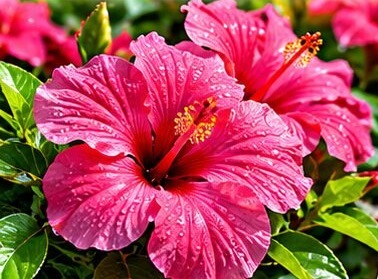
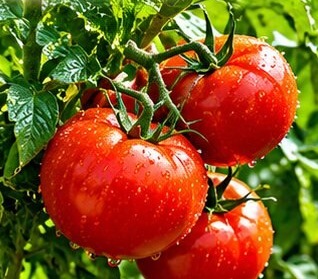
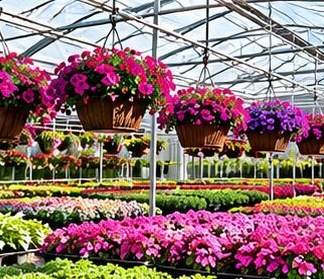
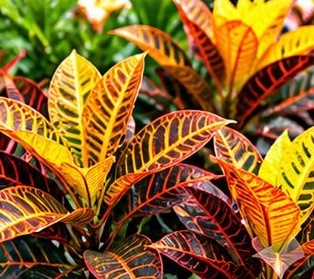
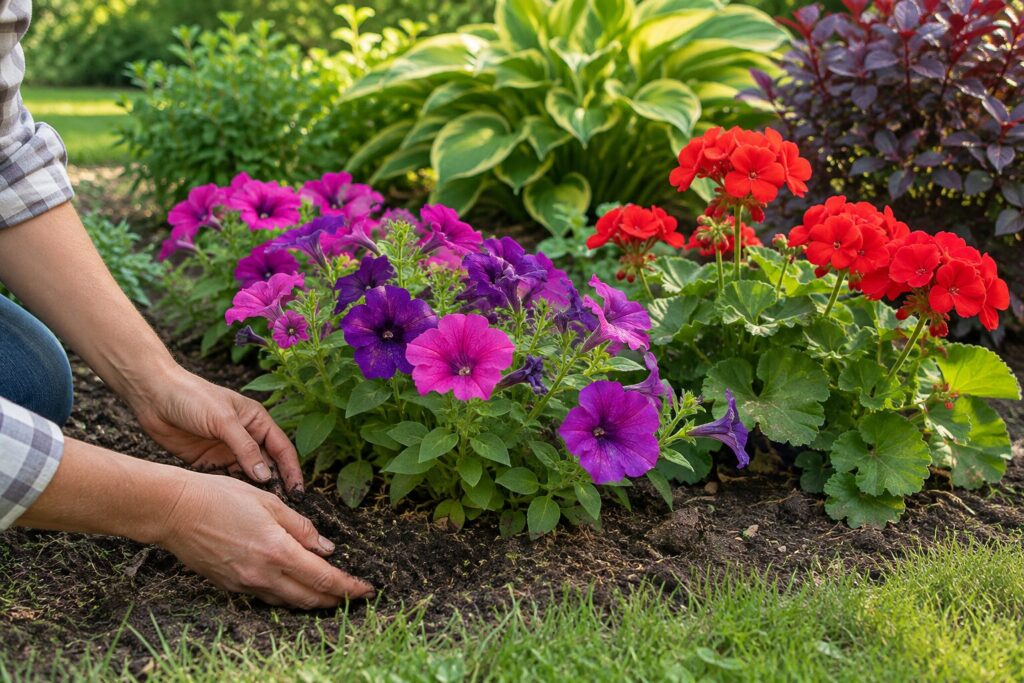
Illustrative images, not photographs of Carbotein-treated trial plots. No product-performance outcome is implied.
Common plant-care questions
20 questions, answered.
Tap a question to read the answer.
01What can I use to help my flowers bloom better?
Start by checking sunlight, watering, temperature and the balance of nutrients. Too much nitrogen can encourage leaves instead of flowers. Once these basics are right, a plant-conditioning product such as Carbotein® may complement a well-managed nutrition program; it is not a substitute for correcting the underlying problem.
02Why do my plants have healthy leaves but very few flowers?
Insufficient light, excess nitrogen, pruning at the wrong time, immature plants and temperature extremes are common causes. Identify the cause before adding another product.
03What products help plants take up nutrients more effectively?
Nutrient availability depends on soil pH, moisture, root health and the fertilizer program. Soil conditioners can be evaluated alongside those fundamentals. Carbotein® is positioned for plant and soil-conditioning applications, subject to its current label.
04How can I help flowering plants during hot weather?
Keep the root zone evenly moist without waterlogging it, mulch appropriately, and provide shade where the species benefits. Avoid promising that any additive can prevent heat damage; evaluate supplemental plant conditioners only after basic care is addressed.
05What can help plants recover after drought stress?
Rehydrate gradually, check drainage and root condition, and remove only clearly dead tissue. Recovery depends on the extent of damage. A soil-conditioning product may be part of an ongoing care program but cannot reverse dead roots or foliage.
06What should I use when transplanting flowers or shrubs?
Prioritize proper planting depth, appropriate soil, gentle handling of roots and consistent irrigation. If considering Carbotein® in an establishment program, confirm the application is covered by its current label.
07How do I improve poor soil for ornamental plants?
Test the soil when practical. Address compaction, drainage, pH and organic matter based on the results. A conditioner may supplement—but cannot replace—these corrective measures.
08What can I add to my fertilizer program without overfertilizing?
First determine whether nutrients are already sufficient. A plant or soil conditioner is a different category from a complete NPK fertilizer. Check the product analysis, label and compatibility before combining inputs.
09What is the best product for stronger plant roots?
Healthy roots require oxygen, appropriate moisture, adequate nutrients and a suitable growing medium. There is no single product that fixes root rot, compaction or poor drainage. Consider additional inputs only after diagnosing root-zone conditions.
10How can I improve the appearance of petunias and geraniums?
Provide the right light, irrigation, deadheading and crop-appropriate fertility. If using a conditioning product on ornamentals, verify the current label and test a small area where appropriate.
11Why are my impatiens struggling in a flower bed?
Check sun exposure, soil moisture, drainage and disease symptoms. Impatiens can be sensitive to conditions that vary by species and cultivar; identify the problem before treating.
12How can I keep container flowers healthy longer?
Use a well-drained potting mix, containers with drainage holes, regular moisture checks and a suitable fertilizer schedule. Container conditions can change quickly, especially in heat.
13What helps nursery plants establish after moving to larger containers?
Reduce transplant injury, match irrigation to the new substrate and monitor roots and salinity. Evaluate optional conditioning products through a controlled small-scale trial.
14What should greenhouse growers check before adding a plant conditioner?
Confirm crop and site suitability, water quality, substrate pH and electrical conductivity, irrigation equipment compatibility, and any applicable facility or buyer input standards.
15Can plant conditioners replace fertilizer?
Not automatically. Plants still need essential nutrients in adequate amounts. Carbotein® should not be presented as a complete replacement for a balanced fertilizer program without label and analytical support.
16What can I use for healthier vegetable plants?
Start with crop-appropriate sunlight, soil fertility, irrigation and pest management. Before applying any product to edible crops, verify that the current label permits that use.
17How do I help landscape plants cope with irregular watering?
Improve irrigation consistency, reduce runoff, inspect soil infiltration and use appropriate mulch. Soil conditioners may be evaluated where their documented purpose fits the site.
18Can one plant-care product work for flowers, shrubs and vegetables?
Some products cover multiple horticultural categories, but rates and permitted application methods can differ. Always follow the specific crop and site directions on the current label.
19What should I look for when choosing a plant nutrition supplement?
Look for a clear product label, guaranteed analysis where applicable, documented intended uses, application instructions, compatibility guidance and evidence relevant to your crop.
20Where can I learn whether Carbotein® fits my plants?
Contact Geoponics for the current Carbotein® label and technical guidance. Describe your crop, growing medium, irrigation method, location and desired outcome so the recommendation can be evaluated responsibly.